VOCM Gas Prices June 2026: Canada’s Pump Realities and Regional Spread
Gas prices in Canada in June 2026 hover around historically elevated levels with regional nuances and regulatory influences shaping the costs consumers face at the pump.
Key takeaways
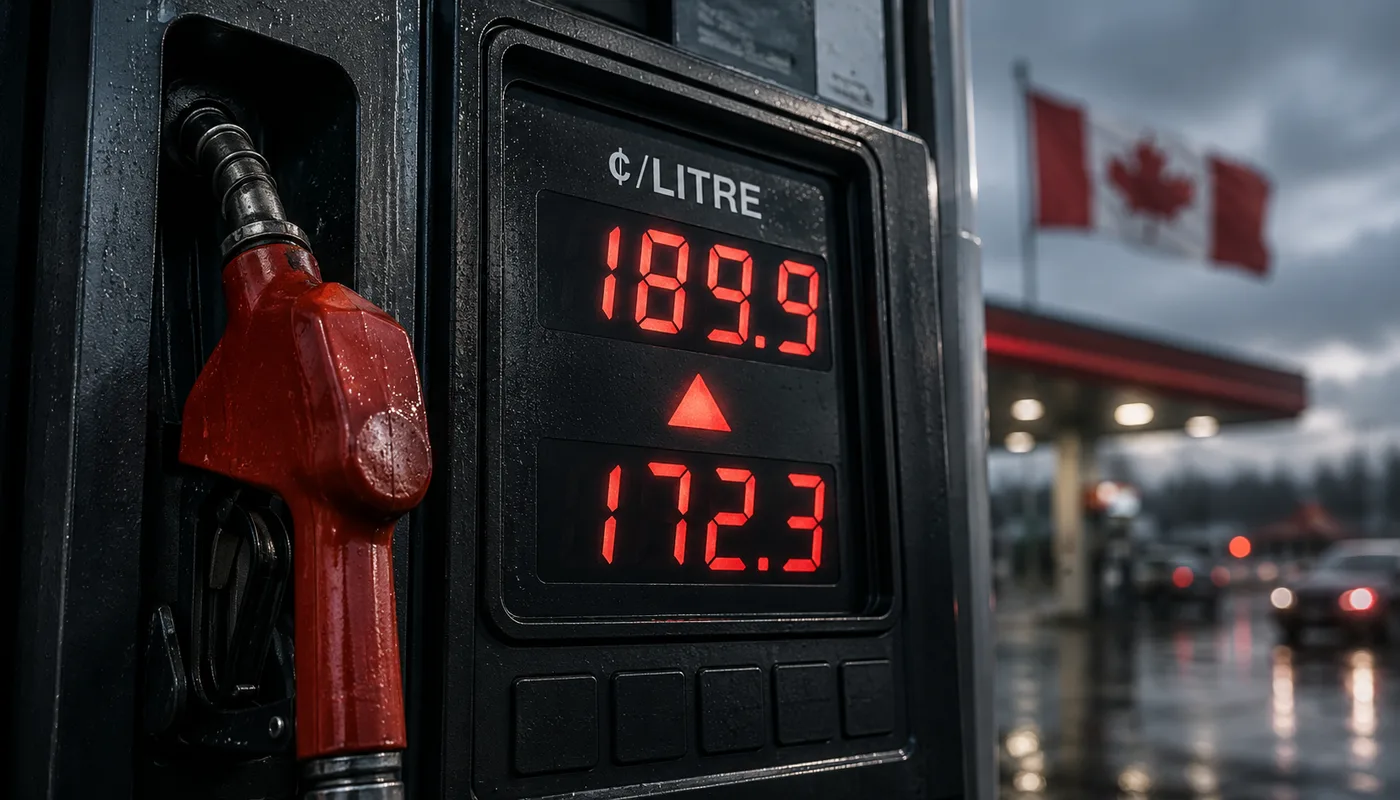
- Canada’s national average gas price is about 172.3 cents per litre in early June 2026, down from highs near 190 cents per litre in May. (CAA National)
- Ontario averages near 170.9 ¢/L with daily fluctuations and occasional downward ticks forecasted. (CityNews Toronto)
- VOCM reports in Newfoundland and Labrador show gas prices creeping toward $1.90 per litre with small incremental adjustments by regulators. (VOCM)
- Regional pricing differences persist because some provinces regulate pump prices while others do not, leading to volatility and spread. (Canadian Fuels Association)
- Seasonal factors like summer fuel blends and tax changes continue to influence price movements in mid‑2026. (Canadian Fuels Association)
What “VOCM gas prices June 2026” reflects in Canada
The phrase “VOCM gas prices June 2026” refers to a series of local fuel price bulletins from VOCM News, a Newfoundland and Labrador broadcaster that publishes weekly regulated fuel cost updates, often citing adjustments by the Public Utilities Board (PUB). (VOCM) These updates have become a proxy for real‑time pricing in that province, though they are not national data.
For broader context, Canada’s average gasoline price in early June 2026 is roughly 172.3 cents per litre, according to the Canadian Automobile Association (CAA), down from a recent peak of about 190 cents per litre in early May. (CAA National) Ontario’s regional average — near 170.9 ¢/L — illustrates that petroleum costs are high but variable across markets. (CityNews Toronto)
How gas prices moved in early June 2026
Canada’s gas prices have been volatile entering June 2026, with short‑term swings from week to week and day to day:
- VOCM’s June 4 update shows gas “creeping back up toward the $1.90 mark” after minor adjustments by regulators, consistent with broader upward pressure in Atlantic Canada. (VOCM)
- Ontario’s CityNews data shows price changes of a few cents per litre over the first week of June, including predicted minor declines. (CityNews Toronto)
- CAA figures demonstrate a notable shift from May’s higher averages, suggesting the national price curve has slightly flattened in early June. (CAA National)
This snapshot underlines that gas prices are far from static: short‑run volatility can produce directional shifts that matter at the pump.
Why prices differ by province
Gas prices differ significantly across Canadian provinces due to a combination of market structure, regulation, and tax policies:
- Some Atlantic provinces, including Newfoundland and Labrador, use regulated pricing frameworks that adjust weekly based on external indicators and cost factors. Regulated markets reduce daily volatility but can result in persistently higher average prices compared with free‑market provinces. (Canadian Fuels Association)
- In contrast, most other provinces, including Ontario, operate under a competitive pricing system where station owners set prices more freely in response to local conditions. (Canadian Fuels Association)
- Taxes — federal, provincial, and municipal — add significantly to pump prices, and while temporary tax suspensions have offered relief in some periods, fundamental bypasses remain. (Canadian Fuels Association)
The result is a patchwork of pump prices: Canadians in regulated markets may see smoother week‑to‑week changes but occasionally higher levels, while those in competitive markets face more day‑to‑day fluctuation.
What drives June 2026 gas costs
Gasoline prices reflect a suite of factors that can diverge quickly:
- Crude oil costs remain a primary driver; global benchmarks like WTI and Brent influence refinery input costs. Price fluctuations in crude markets cascade through to retail petrol.
- Seasonal fuel blends mandated in warmer months are more expensive to produce and distribute, typically raising gasoline prices in late spring and summer. (Canadian Fuels Association)
- Regulatory taxes and temporary relief measures alter net fuel costs. Spring 2026 saw some federal excise tax adjustments that temporarily brought relief, but seasonal and market forces have offset part of those reductions. (Canadian Fuels Association)
- Regional infrastructure and supply chains affect distribution costs and ultimately retail pricing, especially in remote or lightly competitive markets.
A simple pattern for Canadian drivers
For consumers trying to anticipate pump costs in mid‑2026, a practical rule of thumb emerges:
- Expect provincial spreads: regulated provinces may show lagged responses to market swings, while unregulated markets respond quicker.
- Watch crude and fuel blend cycles: upward movements in crude benchmarks and summer blend transitions usually presage price increases.
- Monitor national averages: organizations like CAA offer a reliable snapshot of broader trends.
- Short‑term swings matter: local weekly or daily bulletins (e.g., VOCM) can signal immediate relief or pressure at the pump.
FAQ
What is the average gas price in Canada in June 2026?
In early June 2026, national average gasoline prices in Canada are around 172.3 cents per litre, with regional variations affecting local pump costs. (CAA National)
Why do gas prices vary across Canadian regions?
Gas prices vary due to provincial regulation differences, taxes, regional supply and demand, and seasonal fuel blend changes. (Canadian Fuels Association)
How has VOCM reported local gas price changes in June 2026?
VOCM local updates show gas prices creeping up and down through early June 2026, reflecting regulatory adjustments and market volatility in Newfoundland and Labrador. (VOCM)
Sources
- Latest Fuel Prices – Thursday, June 4, 2026, VOCM News (2026‑06‑04)
- Toronto & GTA Gas Prices, CityNews Toronto (2026‑06‑07)
- Prix de l’essence – CAA National, Canadian Automobile Association (2026‑06‑06)
- Gasoline prices in Ontario, Canada – GlobalPetrolPrices.com (2026‑06‑01)